Community Friends,
Have you enjoyed seeing more pollinators this summer after enhancing your yard or balcony with wildlife-friendly plantings?
Gardening behavior is changing, to more natural: vast manicured lawns are now out, reduced lawns and pollinator-friendly meadows are in!
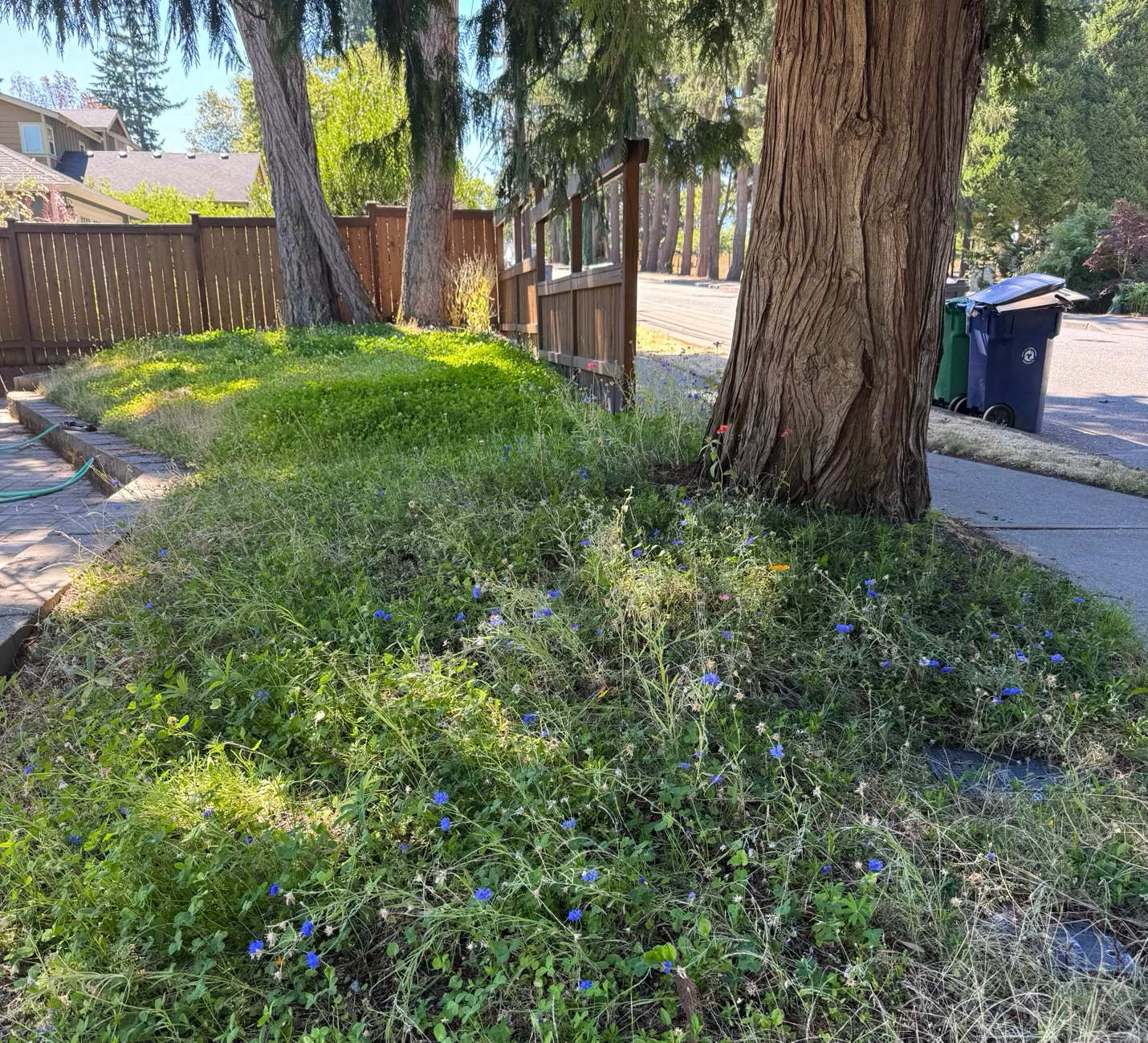
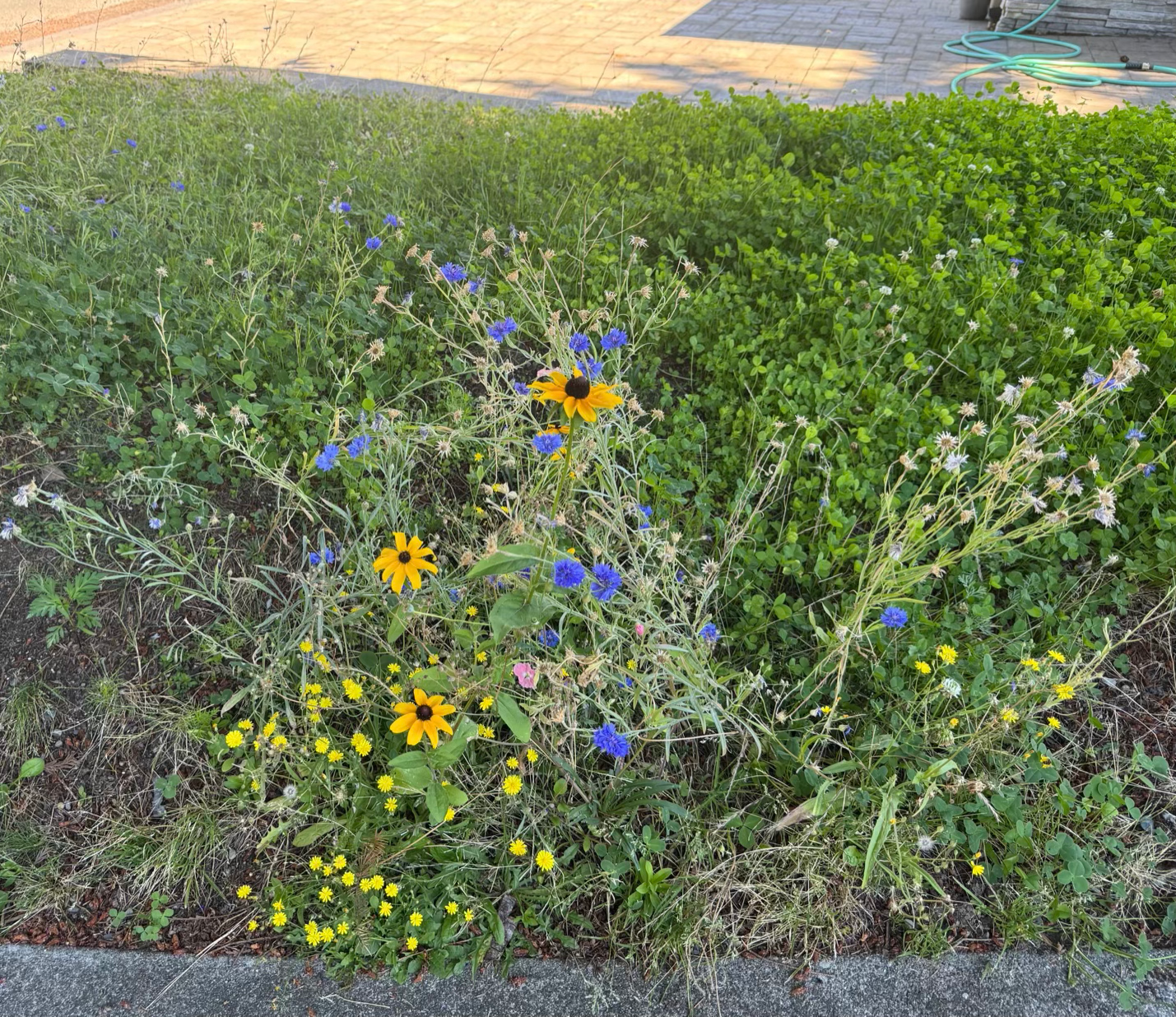
Kudos to a Kirkland resident who earlier this year ordered a packet of pollinator meadow seed mix that she sowed on a bare strip of soil between the paved surface outside her garage and the street sidewalk. As a result, bees and other pollinators have found a new nectar and pollen source! And neighborhood residents and passers-by can enjoy the enhanced habitat's pleasant greenery and colorful flowers.
|
|
|
Consider doing likewise in your own yard or open space. A good source of native seed mixes is Northwest Meadowscapes.
(Part 1: The importance of reducing artificial light at night can be found in the Spring 2026 newsletter.)
When we add local native plants to our yards and provide healthy habitats, one of the wonderful results is the increase in wildlife we see. However, our efforts can sometimes have unintended negative consequences. Human-induced hazards—such as reflective windows, introduced predators, light pollution, dirty bird feeders—can kill or injure wildlife.
We can improve protection for the creatures we invite to our properties.
Information comes with thanks to Sarah F. Jayne for her self-published book, "Nature's Action Guide: How to Support Biodiversity and Your Local Ecosystem" and Eileen Stark for her Real Gardens Grow Natives blog.
Provide year-round water for birds and other wildlife keeping safety in mind.
It is likely that no garden feature will do more to attract a diversity of birds and other wildlife than offering water year-round. However, badly planned water features can be dangerous.
We can best reduce such harms by:
For our feathered friends, free-roaming cats and window collisions are the greatest human-related causes of fatalities after habitat loss. As more birds are enjoying your yard, it increases the chances of often-fatal window strikes that are estimated to kill more than a billion birds in the United States each year.
Birds don't see window glass and shiny or mirrored office buildings like we do. They don't recognize glass as a solid barrier, but rather a reflection of trees, shrubs, and sky that appears to be a clear path, and consequently fly into it.
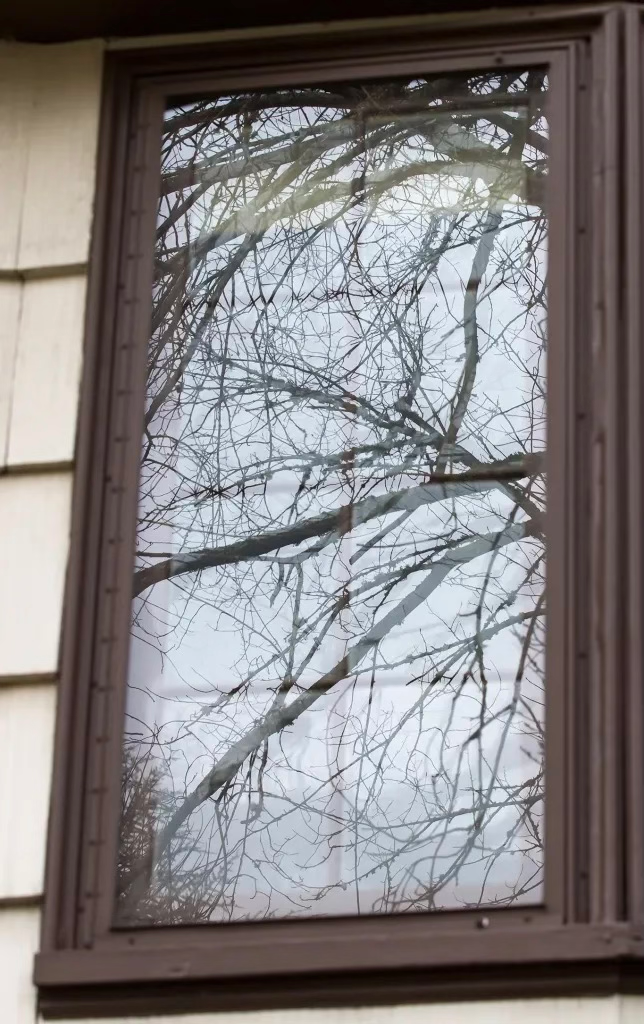 Photo credit: Eileen Stark | 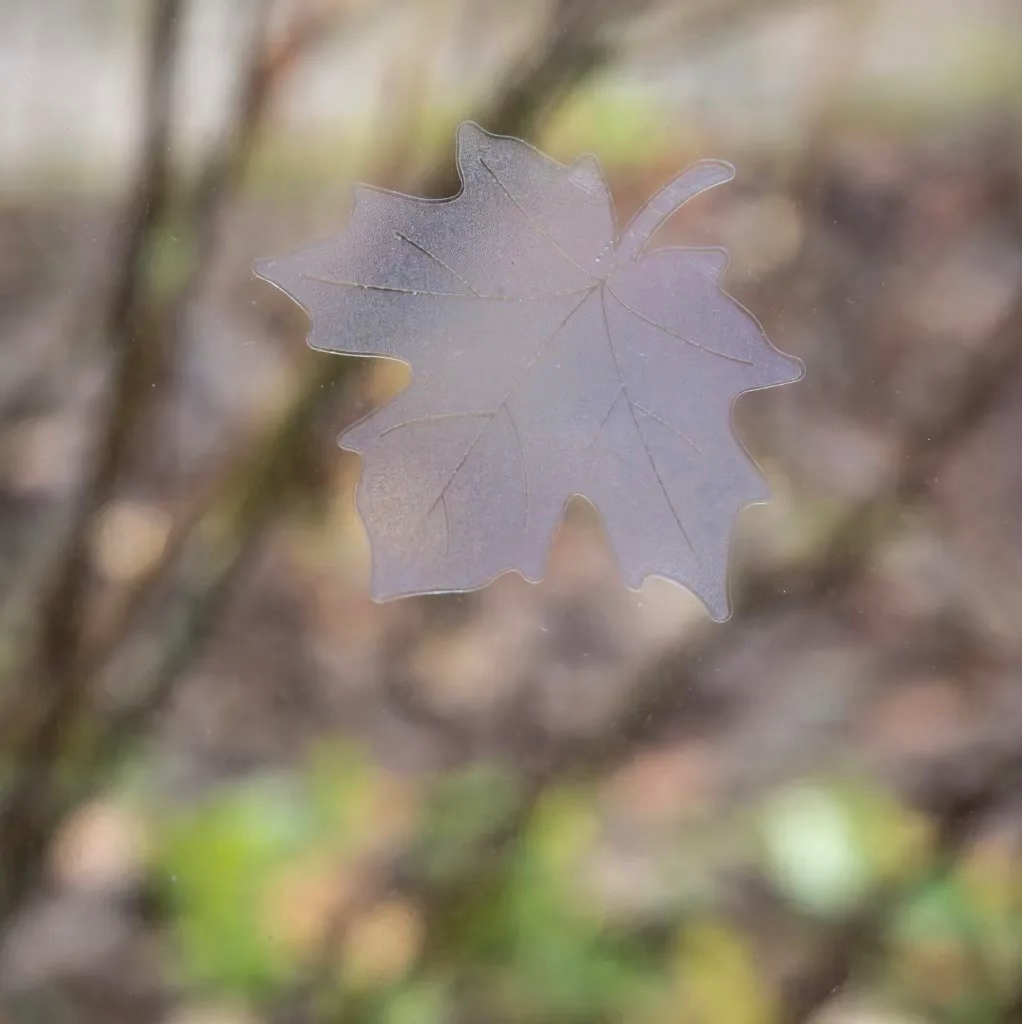 Photo credit: Eileen Stark |
Or, birds may see through clear glass, such as two corner windows perpendicular to each other) and are deceived into flying through as they try to get to vegetative cover that they see beyond the glass. This can also happen if indoor plants are situated next to windows.
Because windows are everywhere, it's easy to think that the problem is too overwhelming to do anything about. But any bird-friendly change you make to your property's windows can help.
If you have a lot of windows, take some time to identify which windows are problematic, paying attention to bird attractants like food, water, and cover. Look at your windows from a bird's point of view.
Most of the following remedies work either by blocking reflective glass or making it visible to birds by giving them visual cues. Sheer curtains and blinds closed part way may help cut down on reflection, but they don't fully eliminate it, so best not to rely on interior remedies.
Reduce harms by choosing one or more of the following methods:
Architectural solutions:
Are you planning on remodeling or building a new home? The Resource Guide for Bird-Friendly Building Design is a publication that offers excellent information and workable solutions for reducing collisions in commercial and residential areas. Also check out the American Bird Conservancy's Bird-Friendly Building Design.
Pollinators and other wildlife are starting to prepare for our colder, wetter weather; and bird migration will soon be in full flight.
To assist migrating birds:
These precautions prevent disorientation of migratory birds traveling at night and cuts down on other negative effects of artificial light pollution.
Please note there is a summer recess for Native Plant of the Month articles.
From your friendly community supporters,
Kirkland Community Wildlife Habitat Team (Kirkland Habitat)
Sharon Rodman with Aly, Ann, Ash, Marilee, Meredith
Please like or follow us on Facebook
Kirkland's Community Wildlife Habitat Program helps residents create thriving wildlife habitat—and grow a healthier, more vibrant city for people.
We encourage residents to certify their properties to show support for wildlife-friendly activities: https://www.nwf.org/certifiedwildlifehabitat.
Appreciating and enhancing habitat in Kirkland, which is situated on the ancestral, unceded land of the Puget Sound Salish people; we acknowledge and honor the land with gratitude.
If you want to unsubscribe from these newsletters, reply to this message with your request.